Apr. 2026 — Present
Internship · Lenovo
Inference acceleration for on-device LLMs
Profiling and optimizing local model inference with the LLM group.
Hello, I’m Zhiyi.
I am a second-year M.S. student in Computer Science and Technology at ShanghaiTech University. My current research focuses on sparse-view 3D ultrasound reconstruction with Prof. Rui Zheng. I am also an intern at Lenovo, working on inference acceleration for on-device large language models.
Previously, I worked with Prof. Sibei Yang at SooLab on multimodal learning, zero-shot human-object interaction detection, and view-invariant video understanding. My broader interests include computer vision, computer graphics, generative models, and efficient AI systems.
Experience
Inference acceleration for on-device LLMs
Profiling and optimizing local model inference with the LLM group.
Ultrasound image understanding · Prof. Rui Zheng
Working on pose-denoised freehand 3D ultrasound and sparse-view 3D reconstruction.
Visual understanding · Prof. Sibei Yang
Explored multimodal LLMs, zero-shot HOI detection, and view-invariant video understanding.
Selected work
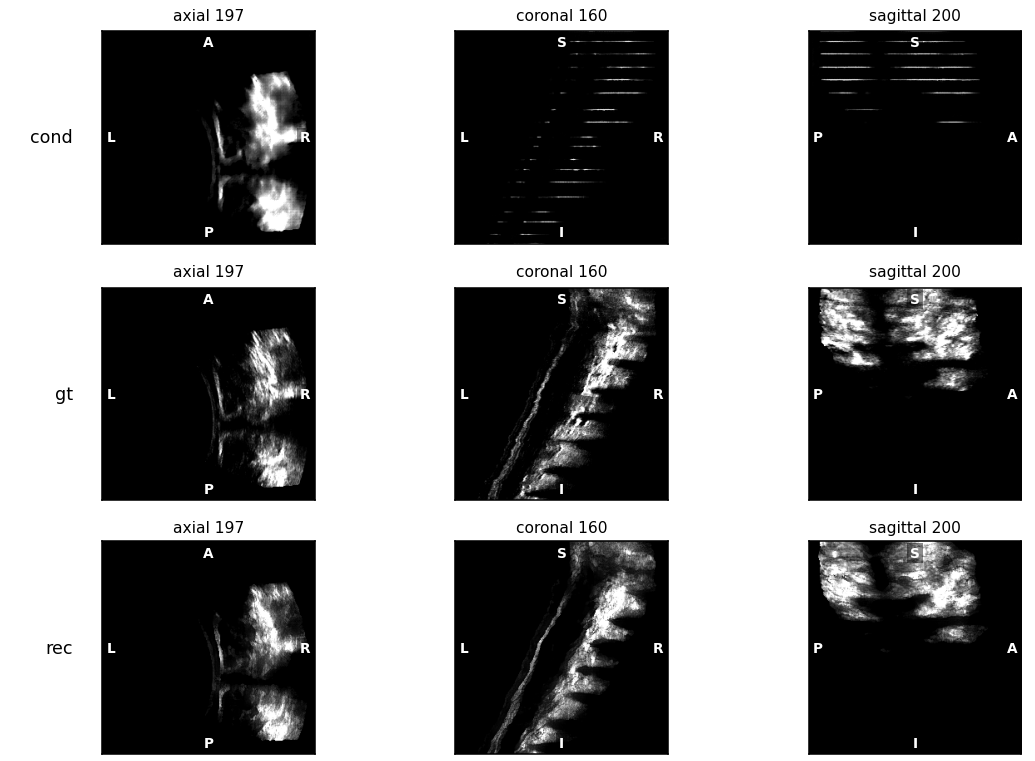
Reconstructing dense 3D ultrasound volumes from sparse 2D scanning trajectories for faster, motion-robust acquisition.

Locating and recognizing interactions as <human, action, object> triplets, including combinations that were not seen during training.

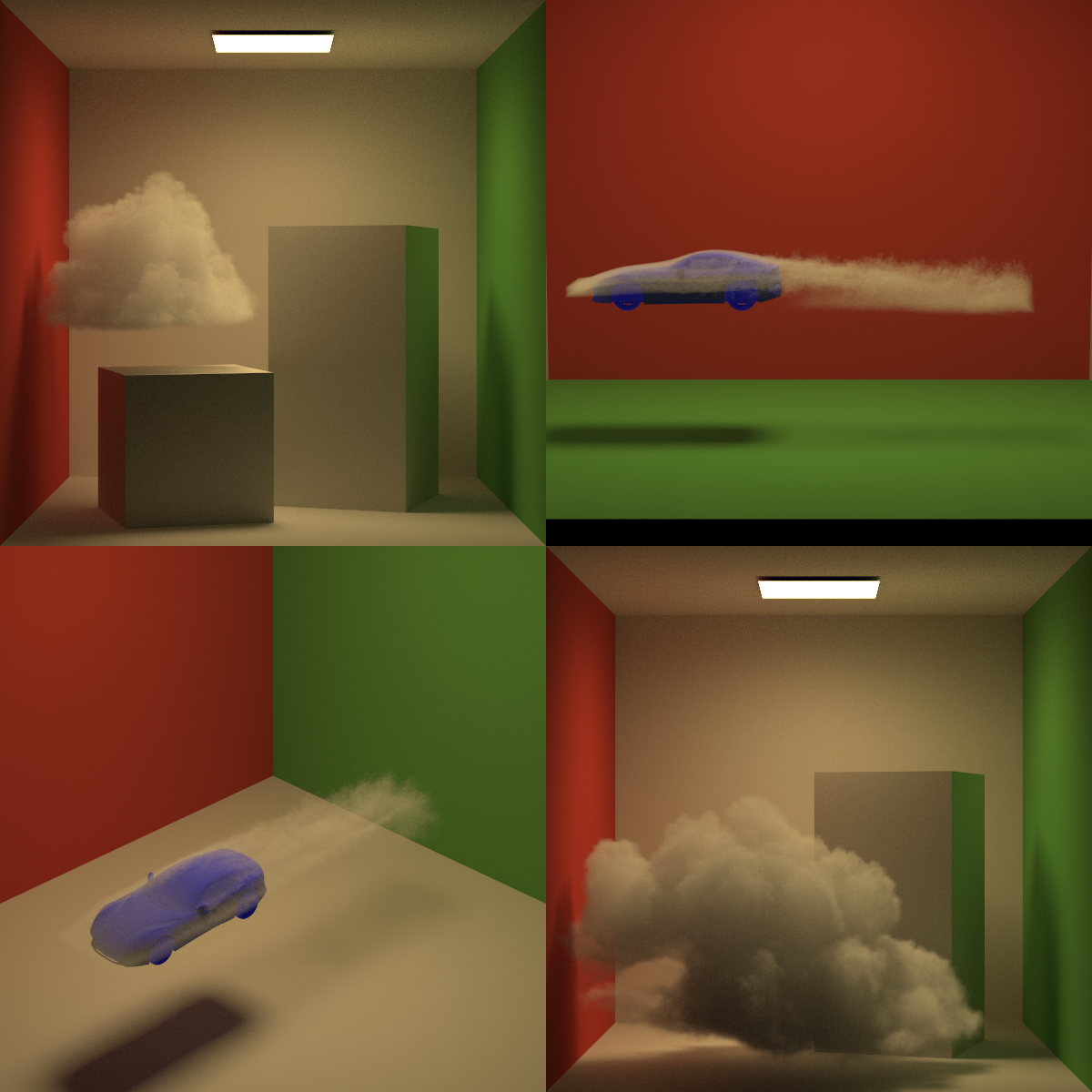
A renderer supporting both surface and participating-media rendering, developed for the Computer Graphics course at ShanghaiTech.
Earlier work
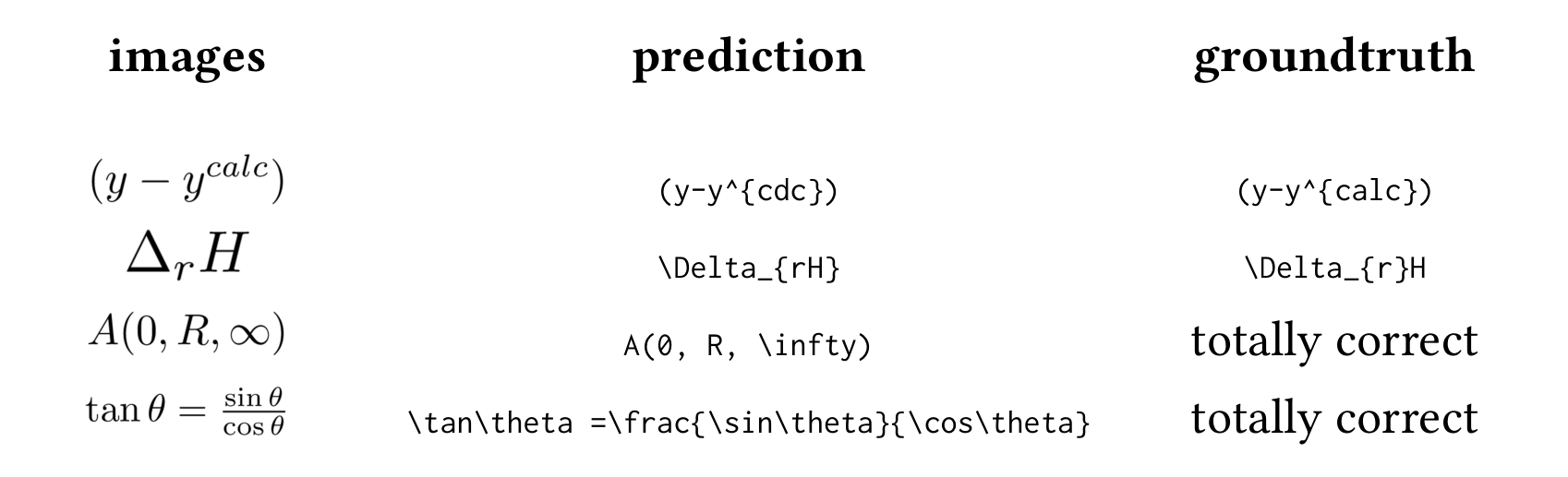
An image-to-LaTeX formula recognizer using a CNN-GRU pipeline with attention, developed for a deep learning course project.
Background
ShanghaiTech University
University of Illinois Urbana-Champaign · GPA 3.89/4.0
ShanghaiTech University · GPA 3.55/4.0
A question worth exploring
I am an adventurous and curious researcher who enjoys exploring beyond familiar boundaries. My work spans computer vision, computer graphics, multimodal learning, and medical imaging, including 3D ultrasound reconstruction. I am especially interested in connecting ideas across fields and turning unfamiliar questions into working systems.
I've also experienced basic training in philosophy and linguistics, which led me to think more deeply about intelligence, consciousness, meaning, and the relationship between semantics and pragmatics. These experiences convinced me that artificial intelligence is not only an engineering challenge, but also a question about language, knowledge, and the nature of mind.
My long-term vision is to explore whether conscious intelligence can truly be created—or whether the question itself may ultimately be unspeakable. I hope to work across engineering, science, and philosophy, building intelligent systems while continuing to ask what, exactly, we are creating.